
corona virus
Coronaviruses (CoV) are a large family of viruses that cause illness ranging from the common cold to more severe diseases such as Middle East Respiratory Syndrome (MERS-CoV) and Severe Acute Respiratory Syndrome (SARS-CoV).
Coronavirus disease (COVID-19) is a new strain that was discovered in 2019 and has not been previously identified in humans.
Coronaviruses are zoonotic, meaning they are transmitted between animals and people. Detailed investigations found that SARS-CoV was transmitted from civet cats to humans and MERS-CoV from dromedary camels to humans. Several known coronaviruses are circulating in animals that have not yet infected humans.
Common signs of infection include respiratory symptoms, fever, cough, shortness of breath and breathing difficulties. In more severe cases, infection can cause pneumonia, severe acute respiratory syndrome, kidney failure and even death.
Standard recommendations to prevent infection spread include regular hand washing, covering mouth and nose when coughing and sneezing, thoroughly cooking meat and eggs. Avoid close contact with anyone showing symptoms of respiratory illness such as coughing and sneezing.

How COVID-19 Spreads
Person-to-person spread
The virus is thought to spread mainly from person-to-person.
- Between people who are in close contact with one another (within about 6 feet).
- Through respiratory droplets produced when an infected person coughs or sneezes.
These droplets can land in the mouths or noses of people who are nearby or possibly be inhaled into the lungs.
Can someone spread the virus without being sick?
- People are thought to be most contagious when they are most symptomatic (the sickest).
- Some spread might be possible before people show symptoms; there have been reports of this occurring with this new coronavirus, but this is not thought to be the main way the virus spreads.
Spread from contact with contaminated surfaces or objects
It may be possible that a person can get COVID-19 by touching a surface or object that has the virus on it and then touching their own mouth, nose, or possibly their eyes, but this is not thought to be the main way the virus spreads.
How easily the virus spreads
How easily a virus spreads from person-to-person can vary. Some viruses are highly contagious (spread easily), like measles, while other viruses do not spread as easily. Another factor is whether the spread is sustained, spreading continually without stopping.
how to protect yourself
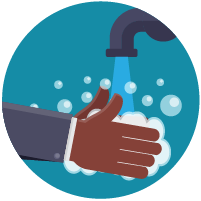
Clean your hands often
- Wash your hands often with soap and water for at least 20 seconds especially after you have been in a public place, or after blowing your nose, coughing, or sneezing.
- If soap and water are not readily available, use a hand sanitizer that contains at least 60% alcohol. Cover all surfaces of your hands and rub them together until they feel dry.
- Avoid touching your eyes, nose, and mouth with unwashed hands.
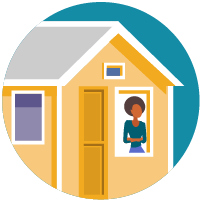
Avoid close contact
- Avoid close contact with people who are sick
- Put distance between yourself and other people if COVID-19 is spreading in your community. This is especially important for people who are at higher risk of getting very sick.
Take steps to protect others
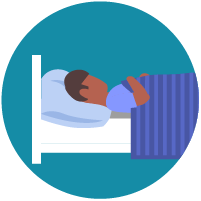
Stay home if you’re sick
- Stay home if you are sick, except to get medical care. Learn what to do if you are sick.
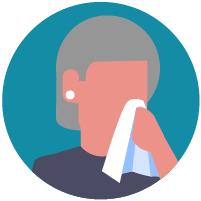
Cover coughs and sneezes
- Cover your mouth and nose with a tissue when you cough or sneeze or use the inside of your elbow.
- Throw used tissues in the trash.
- Immediately wash your hands with soap and water for at least 20 seconds. If soap and water are not readily available, clean your hands with a hand sanitizer that contains at least 60% alcohol.
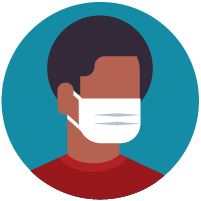
Wear a facemask if you are sick
- If you are sick: You should wear a facemask when you are around other people (e.g., sharing a room or vehicle) and before you enter a healthcare provider’s office. If you are not able to wear a facemask (for example, because it causes trouble breathing), then you should do your best to cover your coughs and sneezes, and people who are caring for you should wear a facemask if they enter your room. Learn what to do if you are sick.
- If you are NOT sick: You do not need to wear a facemask unless you are caring for someone who is sick (and they are not able to wear a facemask). Facemasks may be in short supply and they should be saved for caregivers.
Steps to help prevent the spread of COVID-19
if you are sickman in bed
Stay home except to get medical care
Stay home: People who are mildly ill with COVID-19 are able to recover at home. Do not leave, except to get medical care. Do not visit public areas.
Stay in touch with your doctor. Call before you get medical care. Be sure to get care if you feel worse or you think it is an emergency.
Avoid public transportation: Avoid using public transportation, ride-sharing, or taxis.
family separated
Separate yourself from other people in your home, this is known as home isolation
Stay away from others: As much as possible, you should stay in a specific “sick room” and away from other people in your home. Use a separate bathroom, if available.
Limit contact with pets & animals: You should restrict contact with pets and other animals, just like you would around other people.
Although there have not been reports of pets or other animals becoming sick with COVID-19, it is still recommended that people with the virus limit contact with animals until more information is known.
When possible, have another member of your household care for your animals while you are sick with COVID-19. If you must care for your pet or be around animals while you are sick, wash your hands before and after you interact with them. See COVID-19 and Animals for more information.
on the phone with doctor
Call ahead before visiting your doctor
Call ahead: If you have a medical appointment, call your doctor’s office or emergency department, and tell them you have or may have COVID-19. This will help the office protect themselves and other patients.
wearing a mask
Wear a facemask if you are sick
If you are sick: You should wear a facemask when you are around other people and before you enter a healthcare provider’s office.
If you are caring for others: If the person who is sick is not able to wear a facemask (for example, because it causes trouble breathing), then people who live in the home should stay in a different room. When caregivers enter the room of the sick person, they should wear a facemask. Visitors, other than caregivers, are not recommended.
woman covering their mouth when coughing
Cover your coughs and sneezes
Cover: Cover your mouth and nose with a tissue when you cough or sneeze.
Dispose: Throw used tissues in a lined trash can.
Wash hands: Immediately wash your hands with soap and water for at least 20 seconds. If soap and water are not available, clean your hands with an alcohol-based hand sanitizer that contains at least 60% alcohol.
washing hands
Clean your hands often
Wash hands: Wash your hands often with soap and water for at least 20 seconds. This is especially important after blowing your nose, coughing, or sneezing; going to the bathroom; and before eating or preparing food.
Hand sanitizer: If soap and water are not available, use an alcohol-based hand sanitizer with at least 60% alcohol, covering all surfaces of your hands and rubbing them together until they feel dry.
Soap and water: Soap and water are the best option, especially if hands are visibly dirty.
Avoid touching: Avoid touching your eyes, nose, and mouth with unwashed hands.
don't share
Avoid sharing personal household items
Do not share: Do not share dishes, drinking glasses, cups, eating utensils, towels, or bedding with other people in your home.
Wash thoroughly after use: After using these items, wash them thoroughly with soap and water or put in the dishwasher.
cleaning a counter
Clean all “high-touch” surfaces everyday
Clean high-touch surfaces in your isolation area (“sick room” and bathroom) every day; let a caregiver clean and disinfect high-touch surfaces in other areas of the home.
Clean and disinfect: Routinely clean high-touch surfaces in your “sick room” and bathroom. Let someone else clean and disinfect surfaces in common areas, but not your bedroom and bathroom.
If a caregiver or other person needs to clean and disinfect a sick person’s bedroom or bathroom, they should do so on an as-needed basis. The caregiver/other person should wear a mask and wait as long as possible after the sick person has used the bathroom.
High-touch surfaces include phones, remote controls, counters, tabletops, doorknobs, bathroom fixtures, toilets, keyboards, tablets, and bedside tables.
Clean and disinfect areas that may have blood, stool, or body fluids on them.
Household cleaners and disinfectants: Clean the area or item with soap and water or another detergent if it is dirty. Then, use a household disinfectant.
Be sure to follow the instructions on the label to ensure safe and effective use of the product. Many products recommend keeping the surface wet for several minutes to ensure germs are killed. Many also recommend precautions such as wearing gloves and making sure you have good ventilation during use of the product.
tags:
corona virus,corona,coronavirus,virus,coronavirus news,coronavirus outbreak,corona virus update,covid-19,coronavirus update,virus outbreak,virus protection,coronavirus symptoms,coronavirus pandemic,corona usa,china virus,corona news,corona info,corona arzt,corona cuba,corona verbreitung,corona china,corona italy,corona myths,corona update,corona italien,corona spanien,coronavirus prevention,coronavirus latest news,corona information


It is really very informative.
ReplyDeleteThanx bro...